
Mon 19 October 2026
Costa Blanca Events And Traditions | Costa Blanca Festivals and Traditions: What They Mean for Property Life
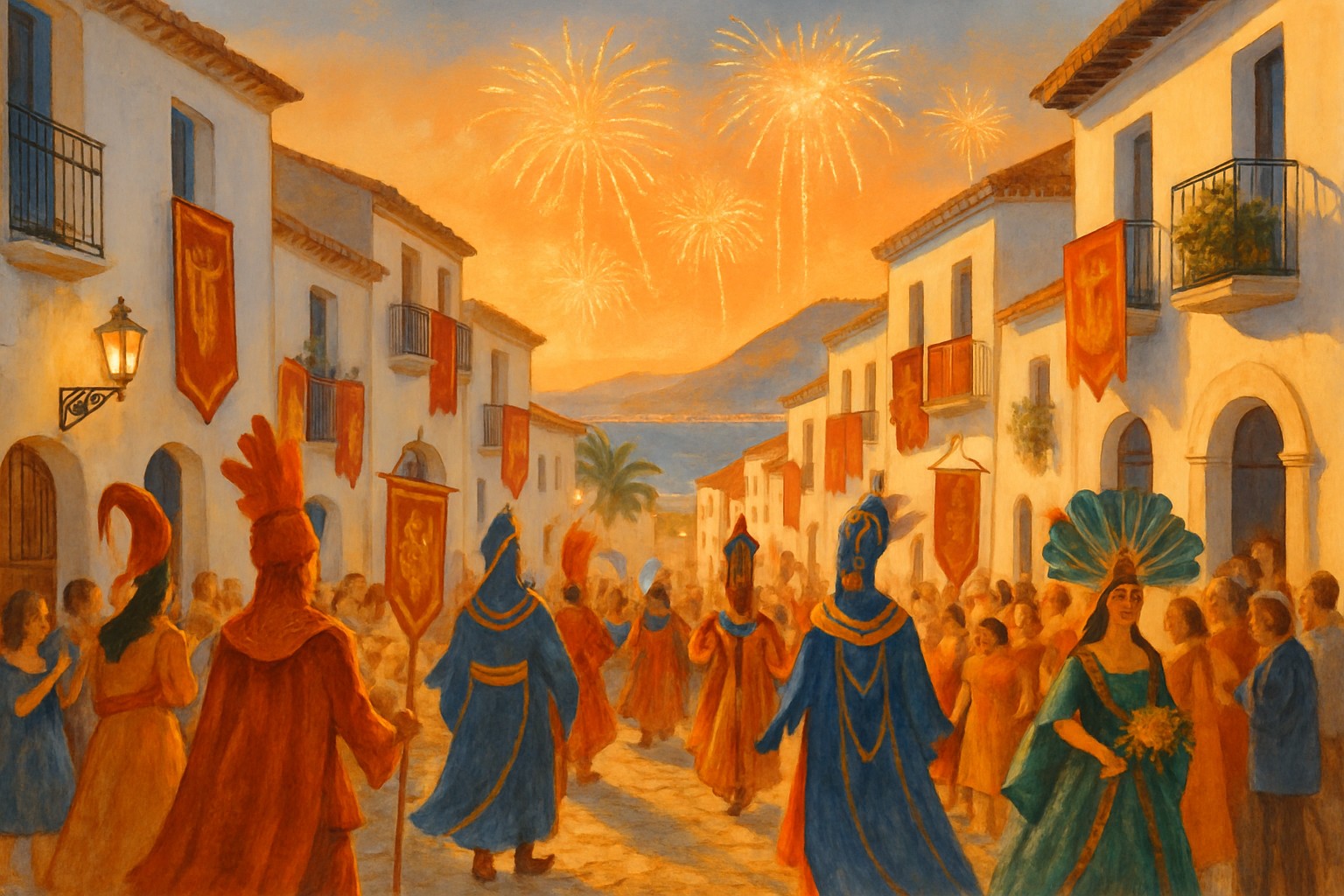
Life on the Costa Blanca is shaped not only by beaches, climate and outdoor living, but also by a lively calendar of fiestas and traditions. Throughout Alicante province, streets, squares, promenades and old-town neighbourhoods regularly become stages for parades, music, religious processions, fireworks, communal meals and cultural performances.
For buyers, sellers, owners and residents, these events are more than entertainment. They can influence how a location feels throughout the year, how easy it is to reach a property during major celebrations and whether a home suits someone seeking a peaceful retreat, a sociable community or a mixture of both. At Sun Life Villas, Spain, understanding this local rhythm can be an important part of making a well-informed lifestyle decision.
Why local fiestas matter when choosing a Costa Blanca home
A property viewing usually takes place during a short visit, perhaps in bright weather and outside the busiest festival periods. However, local celebrations can reveal another side of an area. A quiet street may become a parade route, a central square may host live music, or a seafront may be temporarily affected by fireworks, processions or temporary road closures.
This is not necessarily a disadvantage. Many residents value being close enough to walk into town and enjoy traditional celebrations without needing to drive. Others may prefer a home on the edge of a municipality, where the atmosphere remains accessible but the busiest activity is further away. The right choice depends on how you expect to use the property.
From winter traditions to summer fireworks
Alicante province has a year-round festive identity. Winter and spring may bring local patron-saint celebrations, neighbourhood gatherings, processions and flower displays. Around early summer, the focus often turns towards open-air events, music and fire-related traditions.
Alicante city’s Hogueras de San Juan is one of the best-known examples. The main celebrations traditionally run from 20 to 24 June, culminating in the burning of the large artistic monuments on the night of 24 June. The event combines elaborate sculptures, parades, fireworks, music and the distinctive sound of mascletàs. For some people, this is an unforgettable expression of local identity; for others, it highlights the importance of checking noise levels, parking and access before choosing a central home.
Across the wider Costa Blanca, summer also brings fiestas linked to maritime heritage, local patron saints and historic traditions. The details vary from one municipality to another, so buyers should consult the relevant town hall or tourism office for the current programme rather than relying solely on a general calendar.
A timely example: autumn celebrations in a coastal town
Autumn is not a quiet period for local traditions. In Calpe, the official 2026 programme for the Moors and Christians celebrations is scheduled from 21 to 26 October. The event honours the Santísimo Cristo del Sudor and combines historical symbolism with religious and popular activities. Its timing is a useful reminder that the Costa Blanca’s community life continues beyond the main summer season.
For a prospective buyer, visiting during or near a major fiesta can be informative. You may see how residents use public spaces, whether local businesses remain active outside the peak holiday months and how traffic management affects different neighbourhoods. It is worth viewing the experience as part of the area’s character rather than simply as an occasional interruption.
Comparing different types of festive atmosphere
In Moraira, buyers may be attracted to the relationship between the town, marina and surrounding residential areas. A home close to the centre can make it easier to take part in public events, dine locally and meet neighbours, while a villa in a more dispersed setting may offer additional privacy. During fiestas, the practical difference between these settings can become particularly noticeable.
Benissa offers another useful comparison because the municipality includes historic inland areas as well as coastal surroundings. Local traditions may therefore have different settings and rhythms depending on where a property is located. A buyer should look beyond the municipality name and ask which village, district or coastal area is relevant to the particular home.
In Javea, the distinction between the historic centre, port and beach areas can also matter when considering events and everyday convenience. A property that is ideal for walking to parades, markets and celebrations may not offer the same level of quiet as a home further from the busiest public spaces. Neither option is automatically better; the question is which lifestyle matches your plans.
Questions to ask before buying near a festival route
- Does the property sit near a main square, church, promenade or regular parade route?
- Are temporary road closures or parking restrictions common during local celebrations?
- Could fireworks, live music or early-morning activities affect bedrooms, terraces or outdoor dining areas?
- Is the home within easy walking distance of shops and events, or will a car usually be necessary?
- Does the community remain active outside July and August?
- Would the property be suitable for older residents, young children or guests who prefer quieter surroundings?
These questions are particularly relevant if you plan to live in the property throughout the year, invite family and friends or market it for seasonal use. They can also help sellers present a home honestly by explaining both the benefits of local celebrations and the practical realities of busy dates.
Tradition as part of the ownership experience
For many residents, the strongest appeal of local fiestas is the sense of belonging they create. Joining a procession, watching a parade from a pavement café or sharing a community meal can help newcomers feel connected to their chosen area. Traditions also provide regular opportunities to practise Spanish, meet neighbours and understand the history behind local streets and landmarks.
Altea is often considered by buyers who value an attractive historic setting, creative culture and a strong connection between town life and the Mediterranean landscape. When viewing property, consider how much you want to participate in local events and whether the home’s position makes that easy without compromising your preferred level of privacy.
The same principle applies in Teulada, where understanding the relationship between the inland town and nearby coastal communities can help buyers assess daily routines, transport and access to local celebrations. A location that feels peaceful in one season may have a very different atmosphere during its principal annual festivities.
Make festival planning part of your property research
Before committing to a purchase, try to visit the area at different times of year. Check municipal event calendars, speak with local residents and inspect the route between the property, shops and public spaces. If you are buying for holidays or occasional use, think about whether the dates you are most likely to visit coincide with major celebrations.
For an alternative coastal lifestyle, you can also review this apartment for sale in Benidorm as an example of how a property search can begin with location and lifestyle priorities before narrowing down the right home.
Festivals should not be treated as a simple measure of whether one area is better than another. They are part of the character of Costa Blanca communities, and their value depends on your expectations. If you would like to discuss locations, property requirements or the practical differences between areas, please contact Sun Life Villas, Spain.
For more information and property guidance, visit Sun Life Villas, Spain.
Explore properties for sale in Benidorm.